

The growing need for non-invasive artistic treatments has led to improved interest in platelet-rich lcd remedies executed outside clinical settings. An at home prp facial has emerged as a trending topic among people seeking ease, privacy, and cost effectiveness while trying to boost skin texture and tone. Understanding how this process operates, their restrictions, and the information bordering outcomes is important before considering it within a skincare routine.
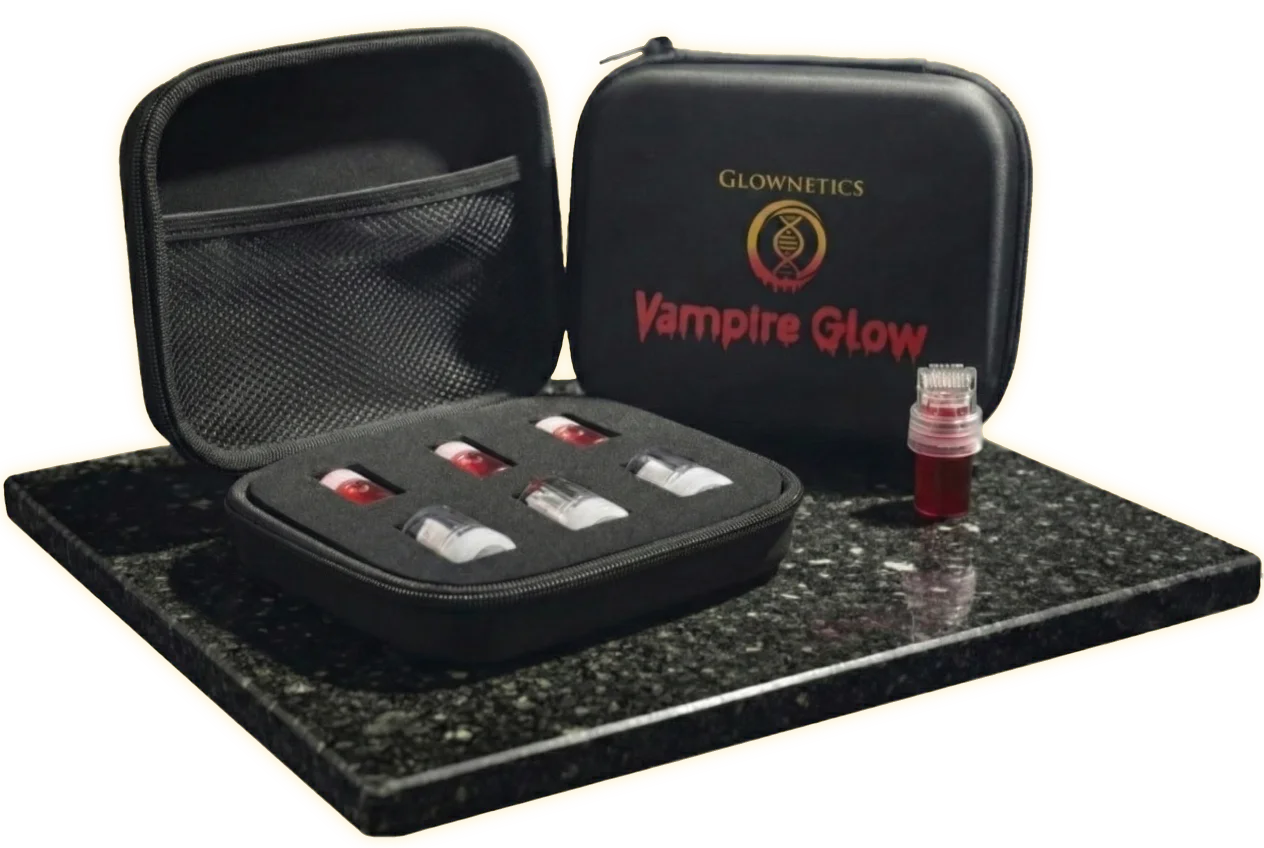
What an At-Home PRP Facial Requires
An at-home PRP skin is made to mimic skilled platelet-based skin vitality operations, typically using skin-stimulating serums, microneedling resources, or growth-factor-inspired formulations. Unlike clinical procedures that rely on body running gear, home-based solutions focus on topical activation as opposed to true plasma extraction. This variation is essential when considering expected outcomes and safety.
Why At-Home PRP Facials Are Gaining Reputation
Industry tendencies show a solid change toward do-it-yourself cosmetic solutions. Customer data reveals improved demand for house skincare products, pushed by affordability, convenience, and variable scheduling. Several users report that at-home facial workouts give you a sense of get a grip on around frequency and power, which aligns with modern self-care preferences.
Performance Predicated on Available Knowledge
Statistical evaluations of skincare outcomes declare that while home-based PRP-inspired remedies may support epidermis moisture and surface-level restoration, they cannot replicate the natural ramifications of clinical platelet therapies. Changes in many cases are progressive and delicate, frequently described in epidermis perfection, structure reliability, and temporary plumping. Uniformity, rather than immediacy, plays a significant position in apparent results.
Security Factors and Most useful Practices
Safety remains a vital factor in virtually any at-home visual procedure. Information from dermatological surveys shows that improper instrument use and insufficient health are the most frequent factors behind negative reactions. Customers are recommended to check out sterilization guidelines, avoid overuse, and perform plot tests before complete application. People with sensitive and painful or affected epidermis barriers should exercise extra caution.
How Extended Effects Usually Last
Centered on user-reported data, benefits from at-home PRP skin workouts are generally short-term and maintenance-dependent. Many individuals discover maximum improvements within a couple weeks of consistent use, with benefits steadily diminishing if remedies are discontinued. This aligns with broader skincare traits focusing routine care over one-time solutions.
Who Might Gain the Many
Information implies that at-home PRP-style facials are many suitable for people with early signals of skin aging, irregular tone, or dullness. Those seeking preventative attention as opposed to corrective treatment often record larger satisfaction rates. It's less frequently advised for addressing strong wrinkles or significant scarring.
Qualified Perspective on Expectations
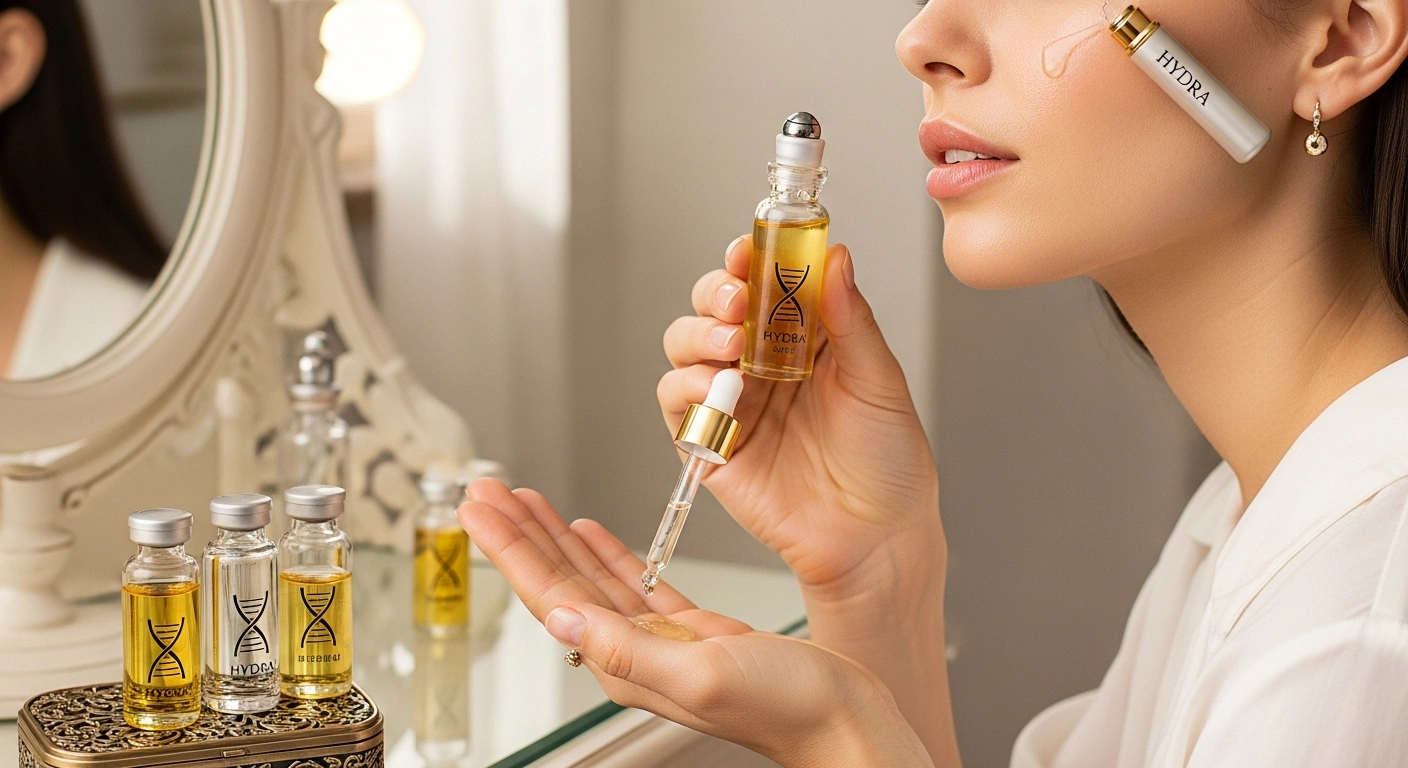
From an business perspective, professionals highlight sensible expectations. Mathematical evaluations show that medical techniques yield more measurable collagen arousal, while house remedies offer as loyal skincare options. Knowledge this variance helps consumers make knowledgeable choices without overestimating potential outcomes.
Long-Term Skin Treatment Strategy
Adding an at-home PRP face in to a broader skincare program may possibly support over all epidermis health when coupled with sun protection, hydration, and evidence-based relevant products. Information consistently suggests that multifactor workouts outperform single-method methods in long-term skin quality improvements.
Final Insights
At-home PRP facial therapies reflect a growing trend toward personalized and available skincare. While they feature comfort and moderate benefits, their performance is dependent upon consistent use, appropriate method, and realistic goals. Researching available data and maintaining professional advice will help users combine this method safely and efficiently into their skincare regimen.